
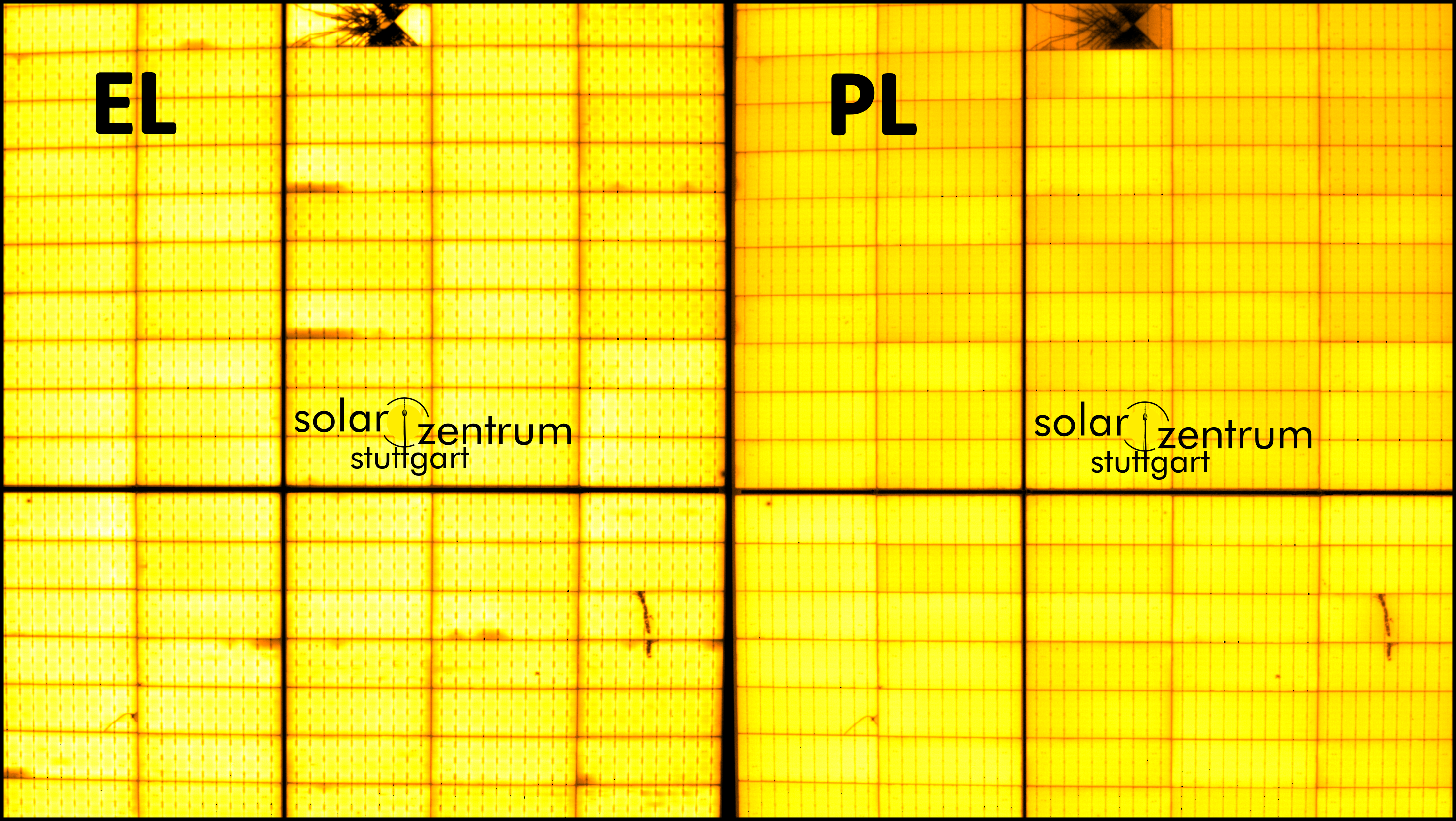
EL vs. PL - Two paths to PV module quality inspection
EL vs. PL for PV modules: A concise comparison of daylight photoluminescence and electroluminescence for detecting microcracks, shunts, and degradation.
Why EL after hail?
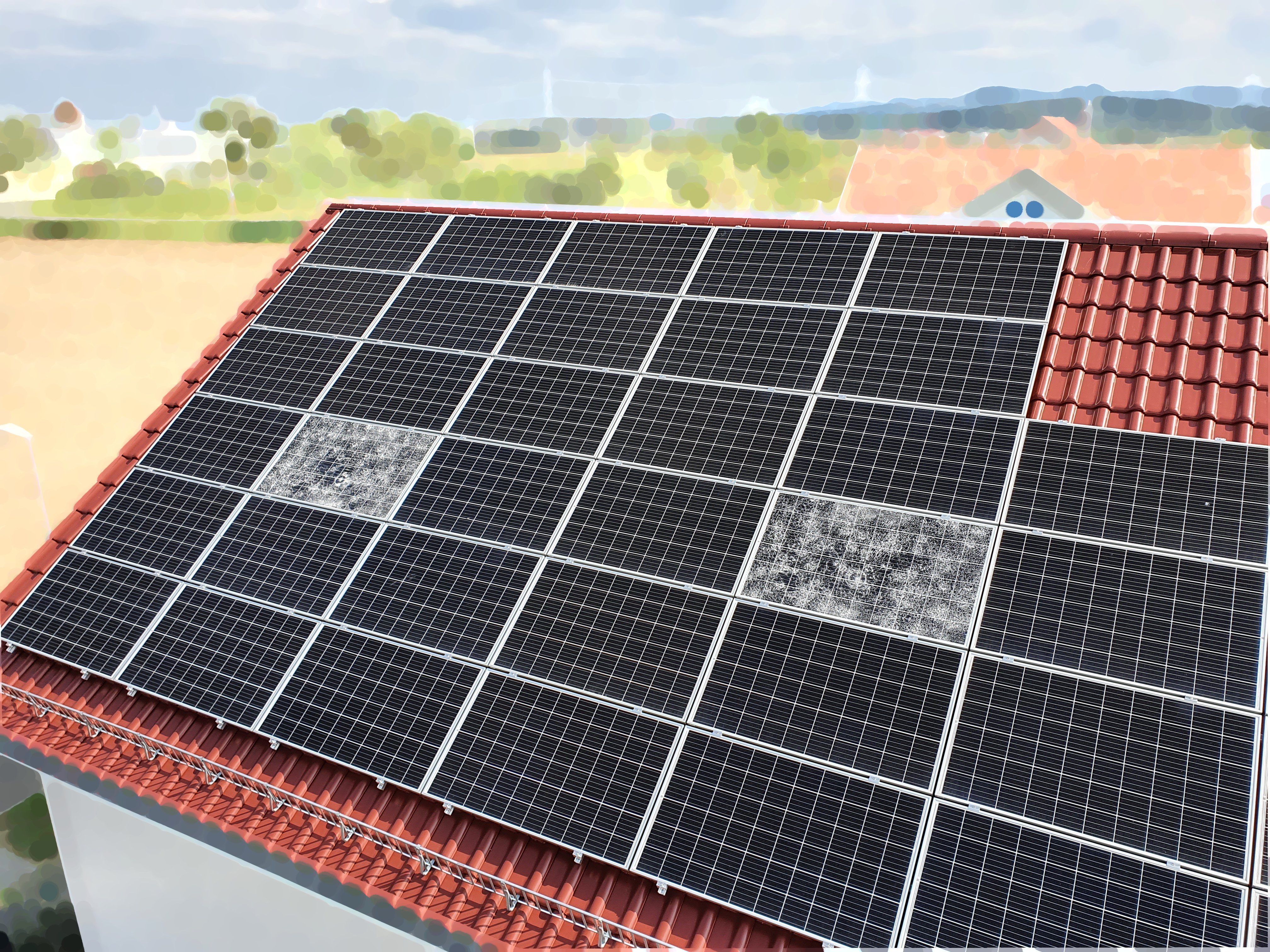
After hail, microcracks can locally interrupt current flow in cells – often without an immediate measurable loss of yield. With EL inspection, these defects become visible as dark lines/areas. Our DaySy method also works in daylight – without night-time measurements.
You can find more about the method on our page on electroluminescence inspection, as well as on patents and the drone-based development project ELFI.
EL reveals even the smallest cracks before power losses or hotspots become apparent during operation.
You receive clear image documentation for each inspected module – ideal for comparison, verification, and quality assurance.
We measure in daylight – simplifying scheduling and making inspections especially efficient in urban environments.
On request, we prepare an evaluation with damage categories and recommended actions (e.g., replacement/continued operation).
Typical damage patterns
After hail, visual inspection or thermography is often insufficient: hidden cell cracks remain invisible but can lead to hotspots, power loss, or module failure in the long term. EL makes these patterns visible and enables a well-founded decision.

Microcracks in solar cells that are usually not visible from the outside – but appear clearly as lines/segments in EL.
Glass breakage, impacts, frame deformation, or delamination can be identified visually – EL additionally helps with cell-level assessment.
Certain crack patterns can provide clues about the cause of damage – important for insurance assessment.
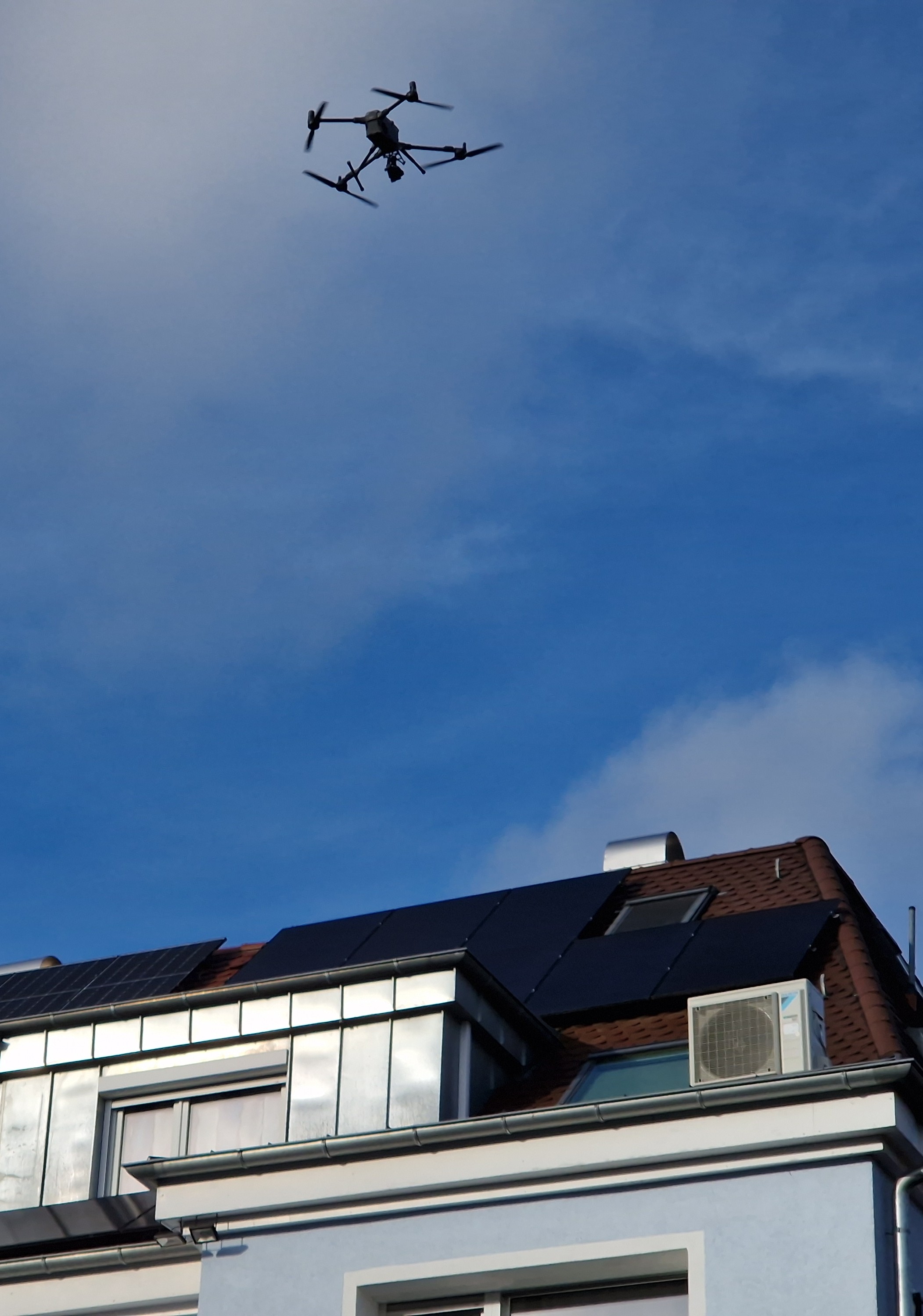
Using a drone eliminates the need for scaffolding or lifts – significantly speeding up the inspection.
Step 1: Initial contact & assessment
You describe the hail event, location, and symptoms (e.g., visible glass damage, yield loss, anomalies). We briefly clarify the objective (quality / insurance), accessibility, and electrical connection.
Step 2: Inventory & documentation
You send us photos, system documentation, and – if available – the string layout. For EL, a suitable power connection is required; PL can be performed without an external power source.
Step 3: Quotation & insurance coordination
We prepare a quotation based on system size and inspection strategy (sampling vs. comprehensive). If insurance is involved, we provide the necessary information for approval and commissioning.
Step 4: On-site EL measurement
We connect the strings and capture luminescence images of the modules – in the installed condition, in daylight.
Step 5: Evaluation & report
We categorize the findings, document the location/type of defects, and provide recommendations (replacement/continued operation/further tests). The report can be prepared in an insurance-ready format on request.
Hail EL FAQs
The most important questions about invisible hail damage, EL diagnostics, and documentation for insurers & operators.
Hail can cause microcracks in solar cells without visible damage to glass or frame. These hidden defects can later lead to hotspots, power loss, or accelerated degradation. EL makes such cell cracks directly visible.
Ideally shortly after the event – especially if visible damage is present, the system was exposed to hail, or the cause is unclear. Early EL images facilitate reliable assessment and documentation.
During EL, modules are electrically energized and emit near-infrared light (invisible to the human eye). Our DaySy method enables imaging even in daylight using special optics/filters and measurement strategies – without night-time work.
EL images provide objective, documentable evidence of cell cracks and defect patterns. On request, we prepare a report with damage categories and recommendations that often serves as a basis for further steps.
Not always. Depending on the situation, sampling may be sufficient (e.g., low risk), or a comprehensive inspection may be required (e.g., visible glass damage or high event intensity). We recommend the appropriate strategy after initial assessment.
Helpful information includes:
Send us key details & photos – we’ll get back to you promptly with a suitable inspection strategy.
Our blog features a wide range of posts on photovoltaic topics. Take a look and stay informed.
EL vs. PL for PV modules: A concise comparison of daylight photoluminescence and electroluminescence for detecting microcracks, shunts, and degradation.

From backyard tests to PV power plants: Solarzentrum Stuttgart has successfully completed the first drone test flights for electroluminescence (EL) and photoluminescence (PL) inspection under daylight conditions – including meaningful PL results during cloudy winter weather.
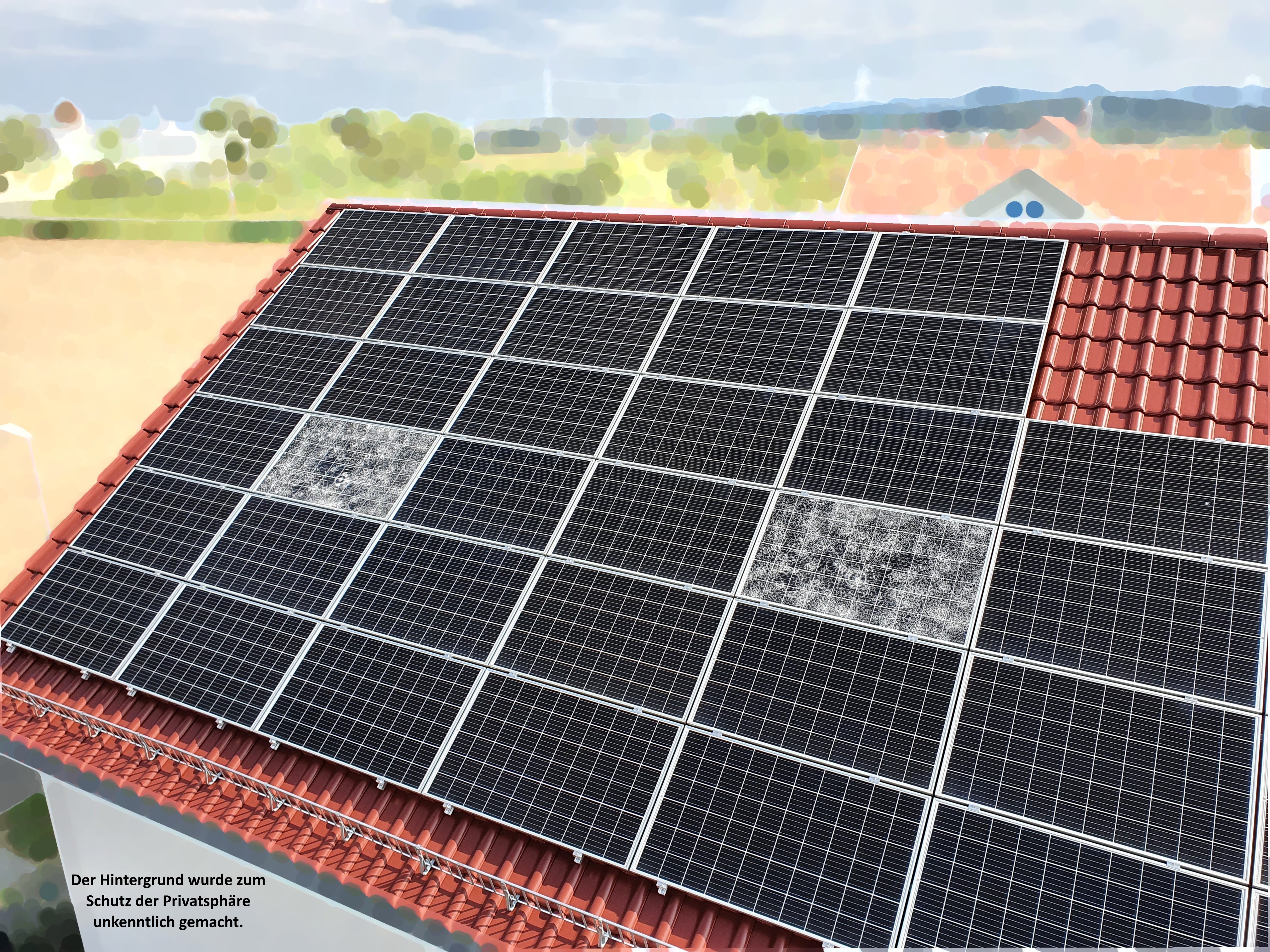
After a hailstorm, microcracks in PV modules may remain unnoticed – an electroluminescence inspection makes them visible.
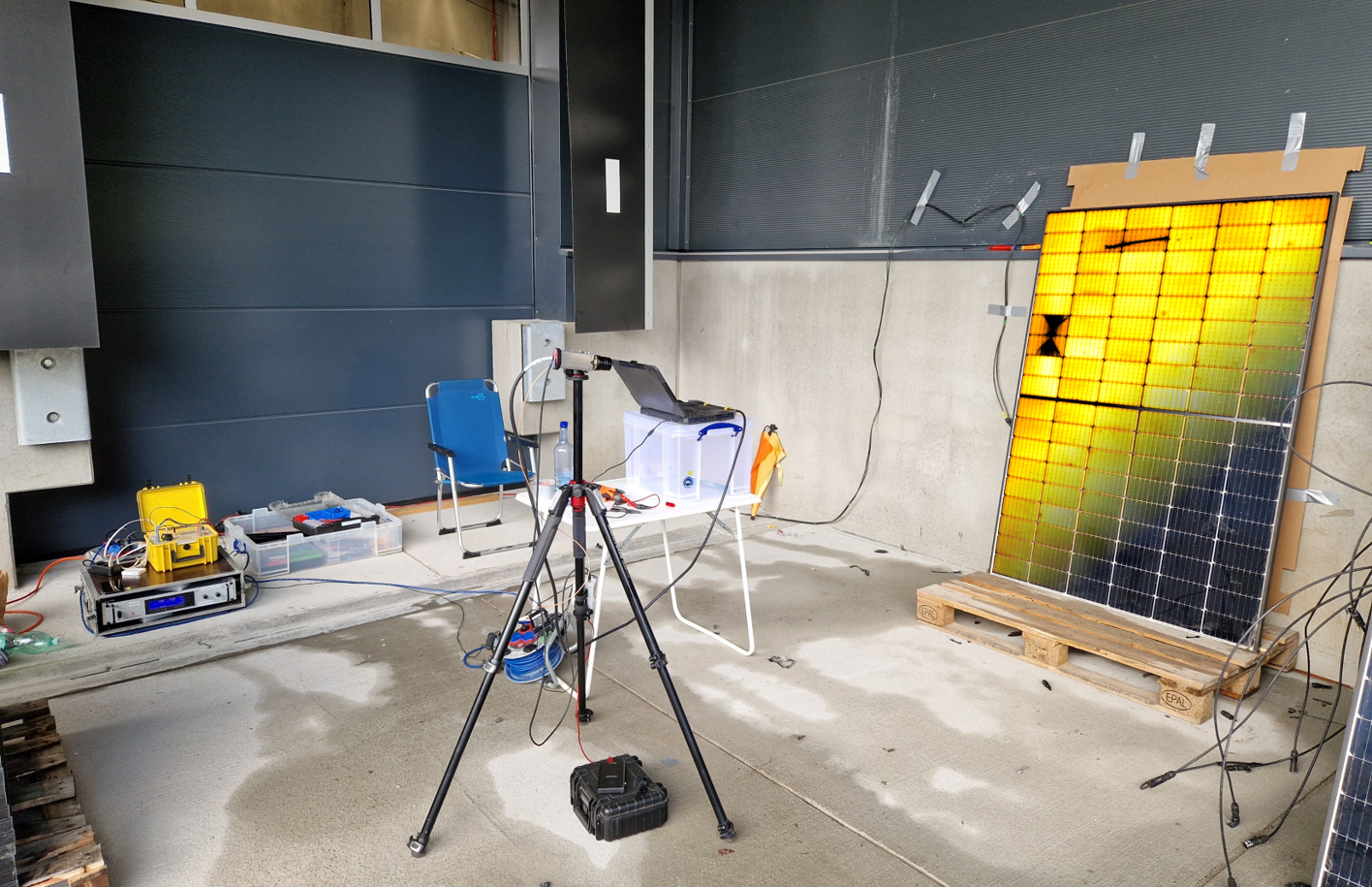
A guideline to prepare the site for a daylight EL inspection, ensuring an efficient workflow and having the site organised afterwards in the interests of the site owner.
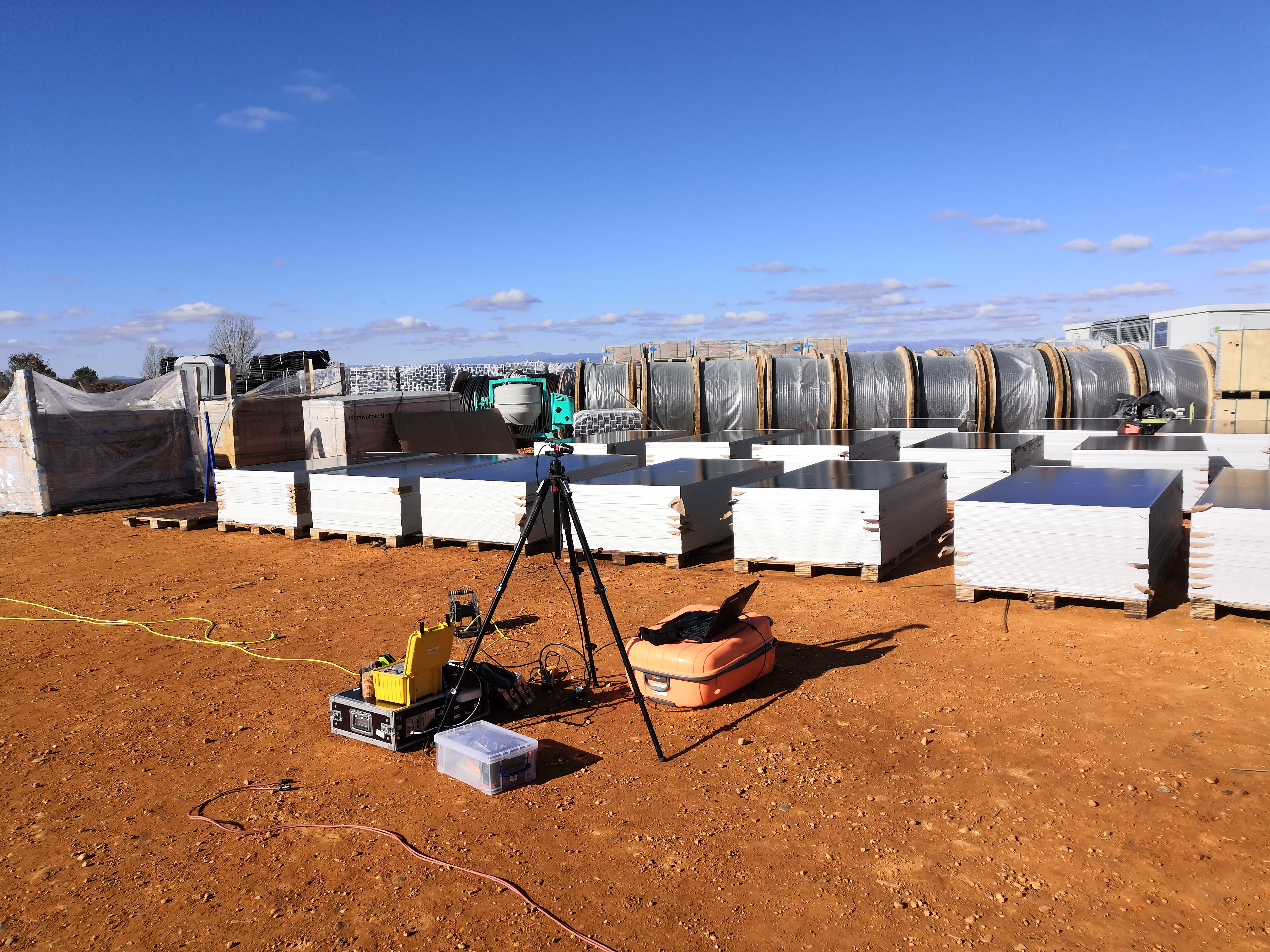
Solarzentrum Stuttgart inspects modules after delivery at four 50 MWp PV sides in Spain.
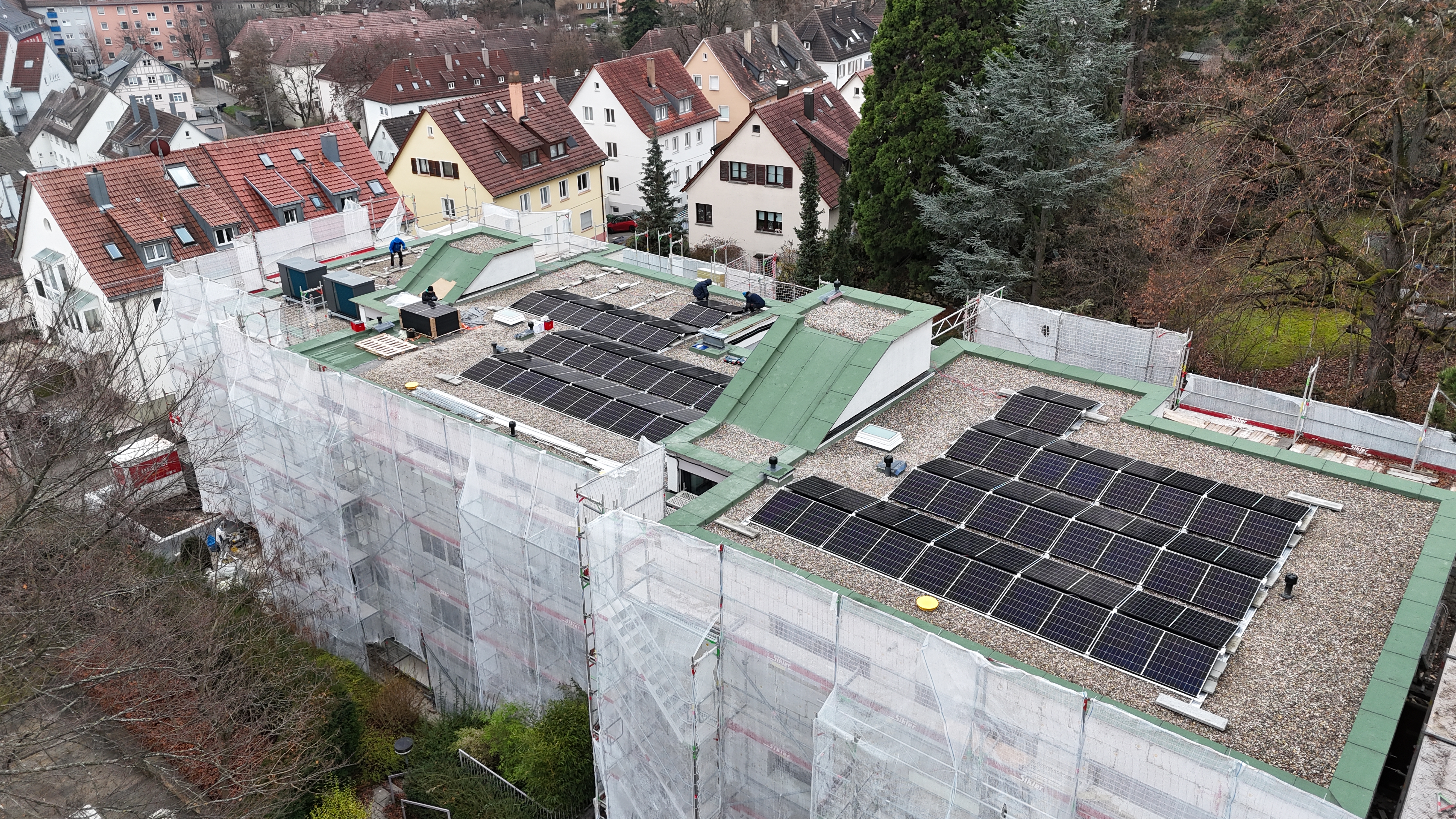
The Solar Center ensures sustainable energy supply through the installation of a PV system in Stuttgart-East.

The Solarzentrum Stuttgart inspects a 1 MWp rooftop system in northern Germany.
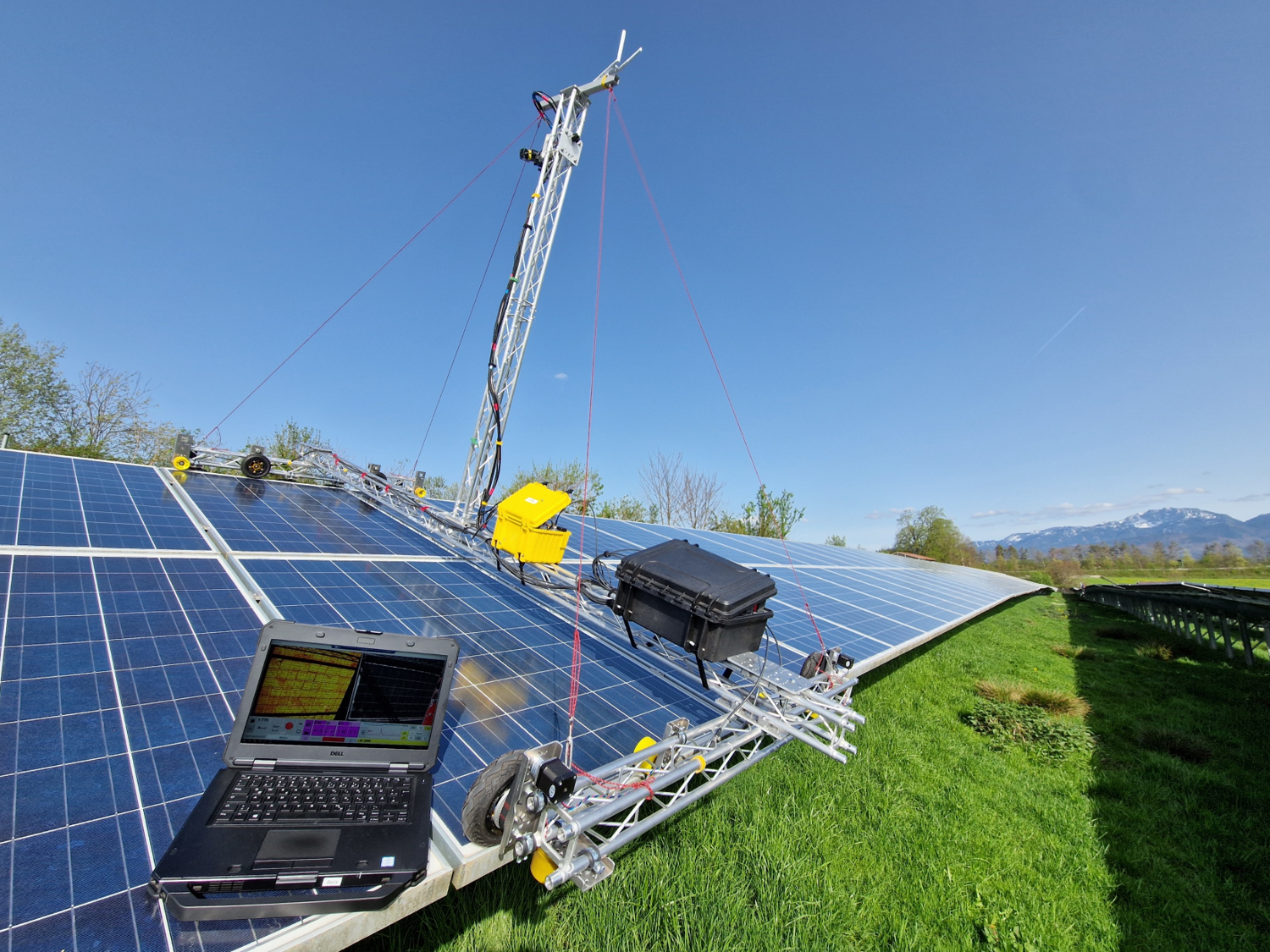
Solarzentrum Stuttgart develops and tests the new fully automated daylight electroluminescence robot for inspecting ground-mounted systems.